
When most people think about investing, they often drift to stocks, bonds, and mutual funds. However, many also consider their home an investment. While owning a home offers numerous benefits, including stability, comfort, and a sense of achievement, it’s crucial to distinguish between a personal residence and a financial investment. Here, we’ll delve into several reasons why your house might not be a stellar investment.
High Transaction Costs

Realtor commissions, closing costs, and legal fees can consume a substantial portion of your investment. Realtor commissions alone can range from 5-6% of the home’s selling price. For example, on a $300,000 house, this equates to $15,000-$18,000 right off the top.
Additionally, closing costs often range from 2-5% of the loan amount, adding thousands more to the expense. These high transaction costs make it challenging to see a significant return on investment, particularly if you do not stay in the home for an extended period.
Slow Appreciation Rate

While home prices generally do increase over time, the rate of appreciation is often slower than other investments like stocks. In 2023, the annual appreciation rate for single-family homes in the U.S. increased to 6.5%. In contrast, the stock market has historically provided an average annual return of around 10%. Over the long term, this difference in growth rates can lead to significantly different outcomes for your wealth.
Maintenance and Repair Costs

Owning a home comes with ongoing maintenance and repair costs that can be both unpredictable and substantial. According to a 2018 report by HomeAdvisor, homeowners spent an average of $1,105 on home maintenance projects that year, with the median number of projects being 6.7 annually. Major repairs, such as roof replacements or HVAC system upgrades, can run into the tens of thousands of dollars.
Property Taxes
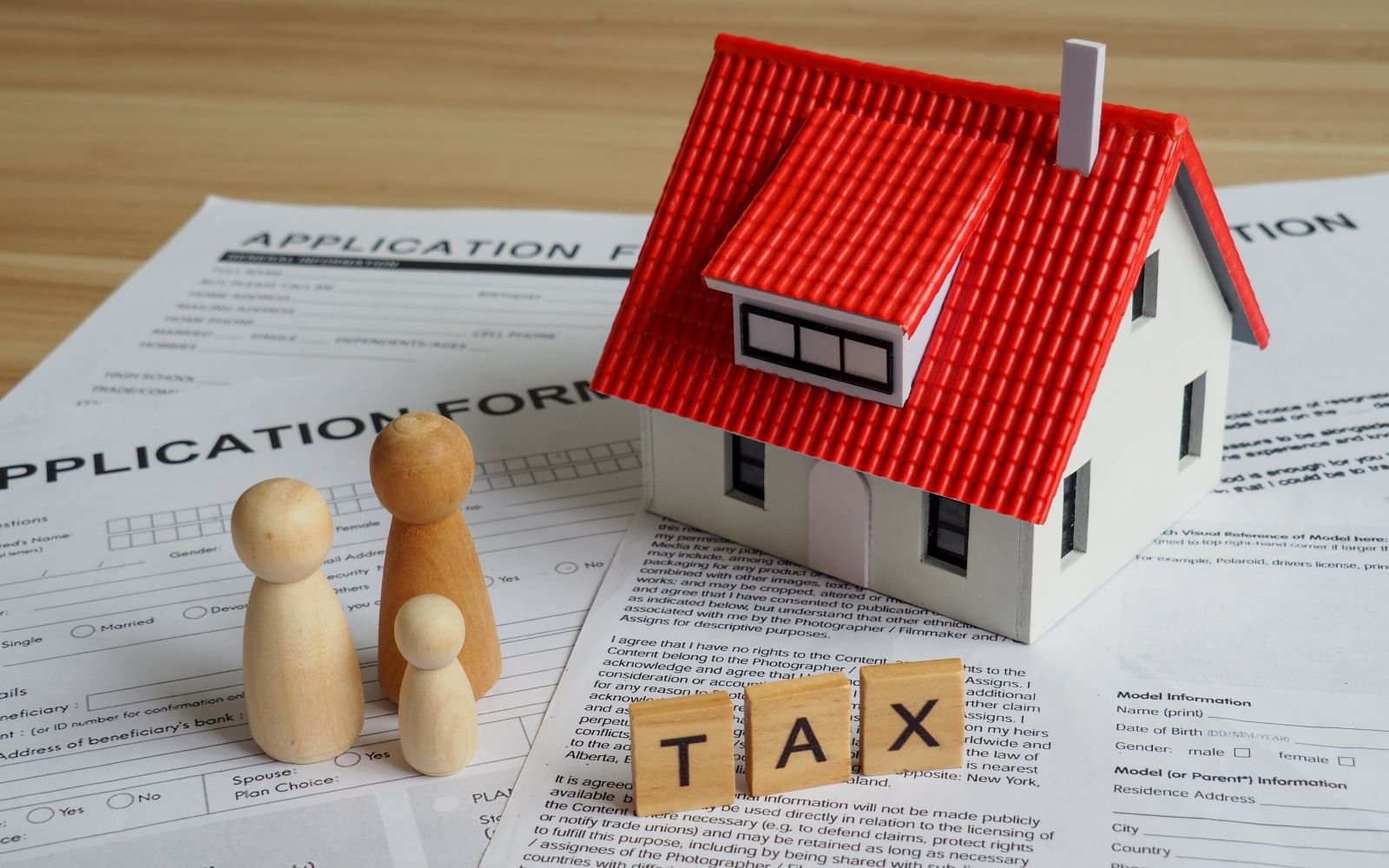
According to ATTOM Data Solutions, property taxes for U.S. homeowners increased by an average of 4.1%, based on an analysis of over 89 million single-family homes. This hike raised the typical tax bill from $3,901 in 2022 to $4,062 in 2023. Further, these taxes can increase over time, reducing your net returns.
Illiquidity

Real estate is an illiquid asset, meaning it cannot be easily converted into cash without a significant loss in value or a lengthy sales process. As of June 2024, the average time from listing to closing for selling a home is 58.2 days, depending on the market conditions and location. This prolonged period reflects the illiquidity of real estate compared to other investments like stocks, which can typically be sold within seconds during market hours.
Market Risk and Economic Sensitivity

The real estate market is highly sensitive to economic conditions. During economic downturns, home prices can plummet, sometimes taking years to recover. For instance, during the 2008 financial crisis, the median home price in the United States fell by approximately 19% from its peak in 2007. Such volatility can significantly impact your returns and is often exacerbated by regional market conditions, making real estate a riskier investment than it might initially appear.
Insurance Costs

According to data from Quadrant Information Services, the national average cost for standard homeowner insurance in the United States is $2,511 per year. Depending on the location and specific risks associated with the property, such as flood or earthquake zones, these costs can be even higher. These insurance premiums add to the overall expense of owning a home and can diminish the net returns on your investment.
Hidden Costs

Homeownership often comes with hidden costs that are not immediately apparent. These can include homeowners’ association (HOA) fees, utility bills, and landscaping costs. According to a new study by Zillow in 2023, the average annual hidden costs of owning a home can add up to $15,000. These unexpected expenses can significantly impact your overall returns and should be carefully considered when evaluating the investment potential of a home.
Inflation Impact

The costs associated with owning and maintaining a home, such as property taxes, insurance, and maintenance, tend to increase with inflation. However, the rate of home price appreciation may not keep pace with inflation, particularly in markets with slow economic growth. According to a report by Reuters, shelter inflation peaked at an 8.32% annual rate in March 2023, the highest since the early 1980s. Census data shows the median home price surged nearly 50%, from $322,000 in Q2 2020 to $479,000 by the end of 2022, marking the fastest increase since the early 1960s.
Depreciation of Structure

While land may appreciate, the structure of the house itself depreciates over time due to wear and tear. The physical depreciation of a property can result in significant renovation and remodeling costs to maintain its value. According to the National Association of Home Builders, the average lifespan of a home’s major systems, such as plumbing and electrical, ranges from 20-50 years. These systems will eventually require costly replacements, which can further erode the potential returns on your investment.
Regional Market Variability

Real estate markets can vary significantly by region, and not all areas experience the same rate of appreciation. Some regions may see robust growth, while others may stagnate or even decline. This variability makes it difficult to predict the future value of your home with certainty. Investing in a home in a slow-growth or declining market can result in poor returns, highlighting the importance of understanding local market conditions before considering a home as an investment.